Nelson Rockefeller and ‘Happy’ Murphy (1963): The Controversial Divorce and New Marriage of a New York Governor
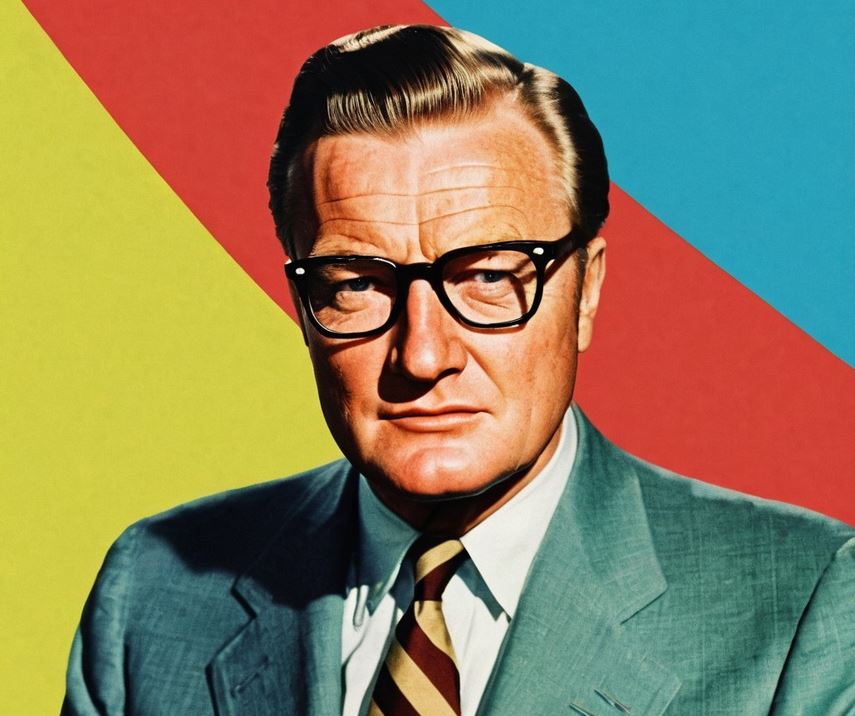
Nelson Rockefeller, the 41st Vice President of the United States and a prominent New York governor, had a life full of dramatic twists. But one event, in particular, shook the public: his controversial divorce from his first wife, Margaretand his sudden marriage to a much younger woman, Happy Murphy. This event was a whirlwind that involved politics, personal drama and the media’s watchful eye.
Let’s dive into the details of this controversial chapter in Rockefeller’s life and why it made headlines back in 1963.
Who Was Nelson Rockefeller?
Nelson Rockefeller wasn’t just a politician; he was a prominent businessman and philanthropist, coming from one of the wealthiest families in the U.S. He was deeply involved in both New York’s state politics and national affairs. As governor, Rockefeller was known for his liberal policies on social welfare and education and he often clashed with conservative figures within his own party. But, despite his political career, his personal life made just as much noise.
He had been married to Margaret “Happy” Murphy for many years. They had children together and on the surface, it looked like a picture-perfect family. But things were about to change dramatically.
A Rocky Marriage
Nelson and Margaret’s marriage wasn’t always smooth sailing. They had their fair share of ups and downs, though they often tried to keep things under wraps. Nelson was a busy man with big ambitions and Margaret had a life outside of the governor’s mansion as well. However, in the early 1960s, rumors started swirling about trouble in paradise.
The two had been married since 1930, but in 1962, after over 30 years of marriage, they decided to go their separate ways. The divorce wasn’t your average split; it was scandalous, especially for a man in Nelson’s high-profile position. People were shocked, as it seemed like the end of an era for the Rockefeller family.
The Divorce and the Drama That Followed
The divorce didn’t just make waves because it was unexpected, but because of what followed. Less than a year after the divorce, Nelson Rockefeller married his former secretary, Happy Murphy who was much younger than him. The sudden marriage sparked outrage, particularly among conservative groups who criticized him for his personal choices. But, as with most things involving Nelson Rockefeller, the public’s reactions were mixed. Some admired his decision to remarry, while others saw it as a betrayal of his previous wife and family.
Happy Murphy, whose full name was Margaret “Happy” Murphy Rockefeller, was a woman with a big personality. She had worked closely with Nelson in his office and was a key part of his political machine. But their relationship turned romantic not long after his divorce and it didn’t take long for the media to catch on. Their marriage was fast and fierce, sparking even more rumors about their connection.
While the public’s reaction was harsh, Rockefeller’s marriage to Happy was more than just a romantic fling. It was a symbol of changing times. People were beginning to break from old traditions and norms and Nelson Rockefeller’s marriage was a stark reminder of that shift.
Public Outcry and Media Frenzy
It wasn’t just the divorce and remarriage that stirred up controversy; the way the media reacted to the entire situation was just as dramatic. The press had a field day with the story, calling it “scandalous” and “disruptive.” With Nelson being a public figure in both state and national politics, the media was not shy about digging into his personal life.
The press would often highlight his divorce and marriage in the same breath, painting him as a man who couldn’t keep his personal life in order. The headlines were filled with bold accusations, with some accusing him of prioritizing his own desires over his political duties. Others simply couldn’t understand how a man in his position would make such a personal decision in the public eye.
However, the media’s obsession with Nelson’s personal life didn’t seem to faze him. Rockefeller maintained a sense of dignity and grace, often deflecting questions about his relationship and choosing to focus on his public work instead.
The Political Fallout
While the personal drama was happening behind the scenes, the political world was also keeping a close eye on Nelson Rockefeller. As governor of New York, he was a figure that many people admired, while others believed he was too progressive for the state. His liberal views clashed with many in his own party, but his commitment to modernizing New York’s infrastructure and expanding social programs earned him praise.
But, despite his political success, the divorce and remarriage complicated his career. It wasn’t just about the personal scandal; it became a political issue. His critics used it as ammunition against him, with some claiming that his personal choices reflected poor judgment. The scandal also made it harder for Rockefeller to be taken seriously as a potential presidential candidate. The marriage to Happy Murphy may have been his private decision, but it had very public consequences.
A Bold New Marriage
When Nelson Rockefeller married Happy Murphy, it was a bold move that sent shockwaves through both political and social circles. They were often seen as a power couple in the making. Happy, with her beauty and charm, was a stark contrast to Margaret, who had long been seen as more reserved and private. She became the subject of media fascination and people were curious about her influence on Nelson.
The relationship also gave birth to many rumors, as people speculated that Happy had been the cause of the divorce. But what many failed to realize was that Nelson and Margaret’s marriage had already been strained for years. Happy didn’t just marry a politician; she married a man with ambitions that went beyond just running a state.
In the years that followed, Nelson and Happy became one of the most talked-about couples in America. Despite facing criticism, they remained committed to one another and their marriage was a testament to their shared bond and ambition.
The End of an Era
Nelson Rockefeller's life was filled with political victories and defeats, personal triumphs and heartbreaks. But the divorce and remarriage in 1963 marked the end of an era in his life. The scandal had lasting effects on both his personal life and career and it served as a reminder of the intersection between politics and personal decisions.
For Nelson, the controversy never truly disappeared. The press, his political rivals and even members of his own party continued to use his personal life against him. But through it all, Rockefeller showed an incredible amount of perseverance and dedication to his career. Even though the divorce and marriage made headlines, they didn’t define him.
The Impact on Rockefeller’s Political Legacy
Nelson Rockefeller’s political career was deeply affected by his personal life, particularly the media frenzy surrounding his divorce and remarriage. As a high-profile governor of New York, he had already been a polarizing figure due to his progressive policies and clashes with the more conservative factions of his party. However, the timing of his marriage to Happy Murphy only intensified the public’s focus on his personal life rather than his political achievements.
The divorce, especially given Rockefeller’s stature, put him under a microscope and his political opponents wasted no time in exploiting the scandal. Critics argued that if he couldn’t maintain stability in his personal life, how could he effectively lead the state or the country? His actions were framed as a reflection of his poor judgment, a narrative that dogged him for years.
However, despite the public backlash, Rockefeller’s career was far from over. He continued to serve as New York’s governor until 1973 and sought the Republican presidential nomination in 1964 and 1968. His tenacity and focus on modernizing New York’s economy and infrastructure kept his supporters loyal. Yet, the personal controversy served as a reminder that no matter how capable a politician may be, their personal choices could become a weapon in the hands of their enemies. His marriage to Happy Murphy, in particular, became a symbol of his disregard for traditional values, something his critics never let him forget.
The Role of Happy Murphy in Rockefeller’s Life
Happy Murphy played a significant role in both the personal and public life of Nelson Rockefeller. Their relationship began when Murphy was employed as Rockefeller’s secretary, but it quickly blossomed into a romantic affair. Her influence on Rockefeller was undeniable. She not only served as his wife after the divorce but also as a key ally in his political endeavors.
While the media and public focused on their age difference and the speed of their marriage, those close to Rockefeller often credited Happy with providing him with a sense of stability that he had lost during his strained marriage with Margaret. Happy became an integral part of his political campaigns and served as a supportive partner in his public life. She was often seen by his side at rallies and public events, presenting herself as a glamorous figure and one of the key players in his world.
However, Happy’s role in Rockefeller’s life was not without its challenges. Their whirlwind marriage caused a stir and the media often portrayed her as a gold-digger or a manipulative figure. Many believed she was a distraction to Rockefeller’s political career. But through it all, Happy remained steadfast, defending her relationship with Nelson and proving to be more than just a trophy wife.
The Media’s Obsession with Rockefeller’s Personal Life
In the early 1960s, the media’s influence over public perception was growing and Nelson Rockefeller found himself at the mercy of relentless coverage. His divorce and marriage to Happy Murphy became a media spectacle that overshadowed much of his work as governor. The press had an insatiable appetite for personal stories and Rockefeller’s tumultuous personal life made for the perfect headline.
The scandal was fueled by a mix of curiosity, judgmentand public fascination with the lifestyles of the rich and powerful. The media didn’t just report on the facts—they sensationalized them, painting Nelson as a man whose personal life was a reflection of his political failures. Tabloid-style newspapers, in particular, enjoyed painting his divorce as a failure and speculating about the true nature of his marriage to Happy.
Yet, it wasn’t all negative press. Some outlets, especially those sympathetic to Rockefeller’s progressive political views, defended his right to remarry and live his life as he saw fit. They argued that personal matters should not overshadow a man’s ability to lead and serve the public. Despite this, the balance of public opinion was often shaped by the harshest and most scandalous portrayals of his personal life.
The Changing Social Norms and Rockefeller’s Role
Rockefeller’s personal life and his decision to remarry a younger woman so soon after his divorce was a big thing. At the time, America was experiencing significant cultural shifts, from the Civil Rights Movement to the rise of feminist ideals and sexual liberation. Nelson’s marriage to Happy Murphy symbolized a break from traditional values, a sign that even public figures were not immune to the evolving social climate.
Though controversial, Rockefeller’s personal choices reflected the broader societal changes happening at the time. His divorce was a break from the traditional expectations of marriage and family and his subsequent marriage to Happy Murphy represented a shift towards more liberal and modern relationships. The public’s reaction to the marriage wasn’t just about Rockefeller—it was about the larger cultural context that shaped it.
While some criticized him for his perceived lack of values, others saw him as a man who was simply living his truth in a time when personal freedom and independence were gaining momentum. His decision to marry Happy Murphy was, in many ways, ahead of its time, reflecting a society that was becoming more open to different forms of relationships and family structures.
Summing Up
The story of Nelson Rockefeller’s divorce and remarriage to Happy Murphy is more than just a juicy scandal. It highlights the complex relationship between public figures and their personal lives. It reminds us that, no matter how much power someone has, their personal decisions can still have a significant impact on their career and public perception. In the case of Rockefeller, his story serves as a cautionary tale about the cost of public scrutiny and how personal decisions can sometimes overshadow professional achievements.
Sources:
- https://www.nytimes.com/2015/05/20/nyregion/happy-rockefeller-whose-marriage-to-governor-scandalized-voters-dies-at-88.html
- https://www.independent.co.uk/news/people/happy-rockefeller-divorcee-whose-marriage-to-nelson-rockefeller-ended-his-ambition-of-becoming-united-states-president-10268295.html
- https://www.nytimes.com/1981/04/12/nyregion/a-contrasting-wedding-in-63.html
- https://www.historynewsnetwork.org/article/obits-for-happy-rockefeller-blamed-her-for-his-pol