Gary Hart and Donna Rice (1987): How a Scandalous Yacht Cruise Destroyed the Democratic Presidential Campaign
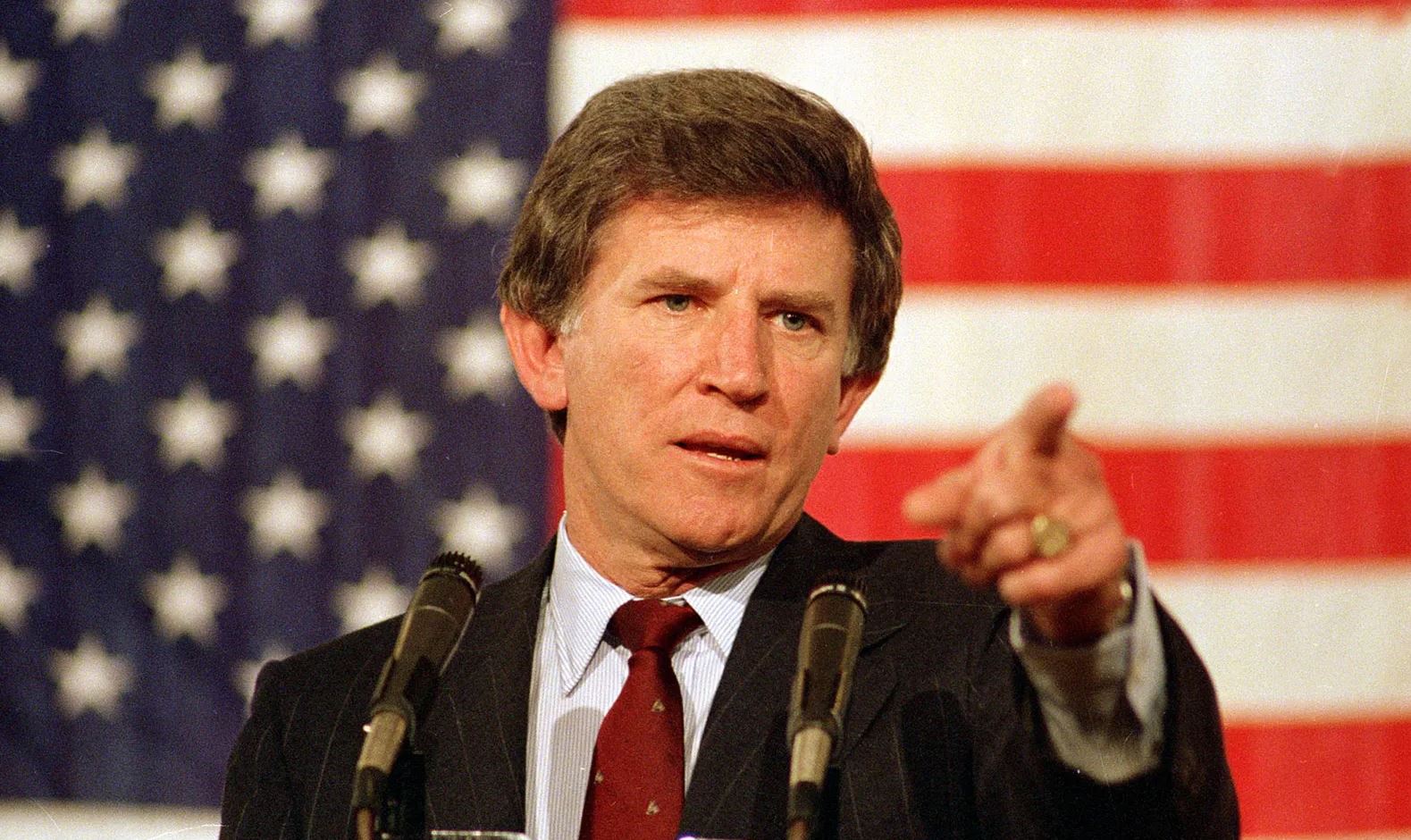
The story of Gary Hart’s fall from political grace is one of ambition, scandal and media scrutiny. As a charismatic former Colorado senator, Hart was seen as the Democratic frontrunner for the 1988 presidential election. He was favored to win the nomination, with many believing he could reinvigorate the party. However, in 1987, his promising campaign crumbled when allegations of an extramarital affair with Donna Rice surfaced.
The turning point came when a news outlet received an anonymous tip from clothing designer Dana Weems. The tip claimed Hart had spent a night with Rice on a yacht called Monkey Business, owned by lawyer lobbyist William Broadhurst. According to reports, they had sailed from Miami to Bimini in late March. Evidence, including photos, suggested a romantic involvement. Days later, the scandal broke, capturing national attention.
Hart initially denied the allegations and challenged reporters to follow him, infamously stating, “Follow me around. I don’t care.” This bold response only fueled the media frenzy. Let’s dig right in to see how the scandal unfolded!
Who Is Donna Rice?
Donna Rice was born on June 18 1958, in Anderson South Carolina. She was a model and aspiring actress in the mid 1980s. Her early life was marked by a move to Miami after she completed her education at the University of South Carolina. It was here that Rice began her career as a model, landing several assignments that brought her attention in the fashion world.
By the time of the scandal Donna Rice was 29 years old. She was relatively unknown to the public but her involvement with Gary Hart changed that dramatically. Rice’s personal life and professional career were largely private until the infamous affair with Hart unfolded in the media. Before the scandal broke, she had been trying to establish herself in the entertainment industry. She had made a few small appearances in television shows and films but was not a household name. However, following the media frenzy, she was thrust into the spotlight and became a figure of public interest and controversy.
The Affair: How It Began
The affair between Donna Rice and Gary Hart began in the spring of 1987. It was the time when Hart was at the height of his presidential campaign. Moreover, Hart was a married man with two children. He was widely seen as a charismatic and progressive candidate with a good chance of securing the Democratic nomination.
According to reports, the first interaction between Hart and Rice occurred when they met at a fundraiser in Washington, D.C. Their connection grew from there, leading to a meeting in Miami shortly after. Rice had attended the fundraiser as a guest and caught Hart’s attention. The two quickly formed a bond, which evolved into a romantic relationship. After this initial meeting, Hart and Rice began spending more time together and their affair grew more intense.
The couple’s secretive rendezvous escalated when Hart invited Rice to join him on a yacht (Monkey Business) for a trip to Bimini in the Bahamas. The yacht trip was the pivotal moment that triggered the media storm. It was during this journey, in late March 1987, that Hart and Rice were caught by an anonymous source.
The Miami Herald
The photographs and details of their time together were provided to the Miami Herald. On the yacht, Hart and Rice were seen in compromising positions. This sparked public speculation about their relationship.
Hart, initially adamant that he was not involved with Rice, denied the affair when the story broke. He challenged the media to follow him around, but when evidence surfaced and his credibility faltered, Hart eventually acknowledged his involvement with Rice. However, it was too late. The scandal overshadowed his presidential ambitions and led to his decision to withdraw from the race.
The affair, its dramatic public reveal and the intense media coverage marked a turning point in American politics. It exposed the private lives of public figures, forever changing the relationship between politicians and the press. Donna Rice, once an unknown model, became a central figure in one of the most talked-about political scandals of the 20th century.
The Scandalous Pictures
The tipping point came when The Miami Herald’s political editor, Tom Fielder, was handed the infamous photo. It showed Hart and Rice together on the deck of the yacht, looking close and cozy. The photograph, though not conclusive proof of infidelity, was striking enough to spark media interest and public speculation. Rice appeared to be sitting next to Hart in a relaxed, intimate pose and the image left little to the imagination.
The picture was a game changer for Hart’s campaign. Until that moment Hart had been able to dismiss the rumors and question the motivations of the press. However, the visual proof of his relationship with Rice left him vulnerable to public backlash. The Miami Herald published the photograph on its front page with the story detailing the couple’s trip. In the following days more details about the affair emerged and the media storm intensified.
Side Effects Of The Picture
Hart’s campaign was initially defiant in the face of the scandal. He insisted that the affair wasn’t a violation of his marriage and maintained that his personal life should not affect his political career. He even challenged the media to follow him and his family, showing no signs of backing down. However, as the picture and the media frenzy spread across the country, Hart’s campaign was no longer about his qualifications or policies – it was about his personal life and the public found it hard to look past the scandal.
Ultimately, the photo played a huge role in Hart’s downfall. It was no longer just rumors or hearsay; the visual evidence confirmed the affair, leading to his exit from the presidential race. The Monkey Business picture became a symbol of how the press and public reacted to the personal lives of political figures, setting the stage for a new era of media coverage in politics.
Why Gary Hart Withdrew His Presidential Campaign
Gary Hart’s decision to withdraw from the 1988 presidential race was primarily driven by the media frenzy surrounding the scandal involving his extramarital affair with Donna Rice. His campaign, which had started with immense promise, was derailed by the intense scrutiny and the pressure that came with it.
Hart had previously dismissed the rumors, even challenging the press to follow him. But the photo made it clear that the allegations were more than just speculation. The public’s reaction to the scandal was swift and unforgiving. Hart’s credibility as a politician took a significant hit and his once-promising campaign was overshadowed by the scandal.
Although Hart initially resisted calls to drop out, the pressure from both the media and his own party became overwhelming. His political rivals, as well as the media began questioning his ability to lead and his public image suffered a massive blow. In addition to the media scrutiny, Hart’s personal life became the focal point of the election, overshadowing his policies and political qualifications. The negative coverage made it difficult for him to regain momentum in the race and the scandal shifted the narrative of his candidacy from one of hope and reform to one of controversy and scandal.
Impact On Hart’s Political Journey
After days of intense media pressure and scrutiny, Hart ultimately made the difficult decision to withdraw from the race on May 8, 1987. In a televised speech, he admitted that the controversy surrounding his personal life had become too much of a distraction and stated that he could no longer effectively run for president.
Hart’s withdrawal marked the end of a promising political career. His decision underscored the significant role that personal scandals could play in shaping political outcomes, especially in an era where the media’s ability to shape public perception was rapidly growing. The fallout from the scandal also highlighted the evolving relationship between the press, politics and public figures’ private lives.
A Media Turning Point in Political Coverage
In 1987, the scandal involving Gary Hart and Donna Rice marked a significant change in how the media reported on the private lives of public figures. Before this event, politicians' personal affairs, including extramarital relationships, were often overlooked or ignored by journalists. For example, when President John F. Kennedy had affairs, reporters didn't cover them because they were seen as private matters, not relevant to the public.
However, as society changed in the 1960s and 1970s, so did attitudes about personal lives. Public discussion of topics like sex became more common and there was less tolerance for men, especially those in power, who cheated on their wives. The rise of TV and media coverage of politicians blurred the line between political figures and movie stars. This meant politicians’ public images were being more closely scrutinized and the media felt it was their job to uncover the truth about these figures.
When Gary Hart, the leading Democratic candidate for president in 1988, challenged the press to follow him and report on his every move, he inadvertently set the stage for his downfall. The Miami Herald took him up on the challenge, staking out his activities and eventually publishing the story of his affair with Donna Rice.
Invasion Of Privacy Or Journalism?
Some critics of the Herald's actions argued that this kind of reporting was too invasive. They felt it crossed a line into personal privacy. However, TIME magazine and others argued that the media was simply adapting to a new era. As trust in the government declined after events like the Vietnam War, people became more interested in learning about the private lives of their leaders. Journalists now had to uncover who politicians really were, not just their public personas.
This scandal showed how the media’s role had changed. The focus on Hart’s personal life, including the famous photos of him with Rice, reflected a new standard in political journalism: the private lives of public figures were now considered fair game for the press. The scandal didn’t just end Hart’s presidential campaign; it changed how journalists would report on politicians in the years to come. The press would continue to dig deeper into the personal lives of candidates, expecting more transparency about who they were behind closed doors.
Final Words
The Gary Hart scandal of 1987 fundamentally changed how the media approached the private lives of public figures. What began as a political downfall for Hart turned into a moment of transformation for political journalism.
As societal norms evolved and trust in government waned, the media’s role shifted to uncovering the truth about politicians' personal lives. This marked a new era of investigative reporting, where privacy became less protected and transparency became a priority. Hart’s scandal reshaped political coverage, setting a precedent for future media scrutiny of public figures.
Sources: