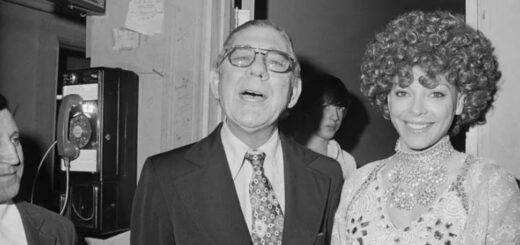
François Mitterrand and the Mysterious Anne Pingeot (1970s and 1980s): The Hidden Affair of the French President
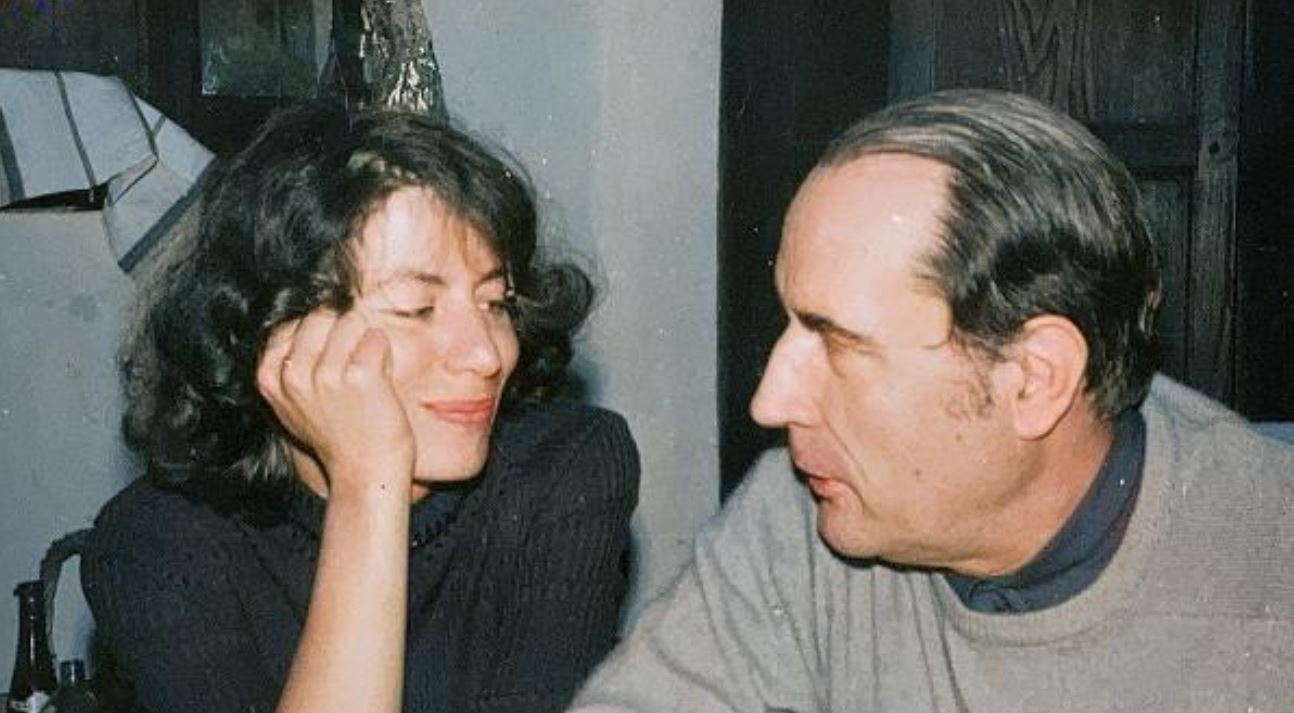
When you think of French politics, certain names stand out and François Mitterrand is one of them. Serving as the President of France from 1981 to 1995, Mitterrand was a giant of his time. But behind the polished image of a leader there was a secret life that captured the imagination of millions. This secret centered around Anne Pingeot, a woman hidden from the public eye for decades. Their story is one of love and the balancing act of political life.
Let’s give you all the juicy details of this French political scandal!
Who Was François Mitterrand?
Let’s talk about the man himself. Mitterrand was born on October 26 1916, in Jarnac, France. He came from a middle class Catholic family and grew up in a conservative environment. However, his political journey was far from straightforward. He started his career in the Vichy government during World War II and later joined the French Resistance. This bold move against Nazi occupation helped rehabilitate his reputation and set the stage for his future as a statesman.
Over the decades, Mitterrand became a master of political strategy, navigating the complexities of French and global politics with finesse. By the time he became President of France in 1981, he was already a seasoned political figure. His presidency lasted until 1995 and was marked by significant achievements. Domestically, he introduced reforms such as decentralization, labor rights and the abolition of the death penalty. On the international stage, he played a key role in strengthening the European Union and maintaining France’s position as a global power during the Cold War.
About Anne Pingeot
Anne Pingeot was born in 1943 in Clermont-Ferrand, France. She grew up with a passion for art which later defined her career. As an art historian, Pingeot specialized in 19th century sculpture, dedicating her life to studying and preserving artistic treasures. Her intelligence, charm and ambition made her a standout figure in her field and caught the attention of François Mitterrand, the future President of France.
The Affair
Pingeot and Mitterrand first crossed paths in the 1960s. She was only 20 while he was in his late 40s, already a prominent political figure. Despite their age difference and societal norms, they felt an instant connection. However, their relationship was shrouded in secrecy because Mitterrand was married to Danielle Gouze, his wife since 1944.
Unlike many high profile affairs, their relationship was not a mere scandal but a profound emotional connection that spanned decades. Anne was more than a secret lover—she was a muse, confidante and intellectual equal to Mitterrand. She played a pivotal role in his life, influencing not only his personal world but also subtly impacting his political journey.
The Hidden Life
Keeping their affair hidden was a formidable challenge, especially for François Mitterrand. Despite his political prominence, Mitterrand worked tirelessly to shield Anne Pingeot and their daughter from the public eye. This secrecy required meticulous planning and unwavering commitment, as Mitterrand carefully balanced his dual roles as a public figure and a secret partner.
To the world, Mitterrand maintained the image of a devoted husband to Danielle Gouze, his wife of decades. But behind the scenes he nurtured a deeply personal life with Anne and their child. Mazarine grew up in a world of hidden affection and discreet family moments. Their lives revolved around private meetings and secret arrangements, allowing Mitterrand to protect them from public judgment and political fallout.
The French media played a critical role in maintaining this veil of secrecy. Unlike the invasive tabloid culture prevalent in countries like the United States, France upheld a tradition of respecting the personal lives of public figures. Journalists, aware of the affair, refrained from exposing it. This unusual restraint allowed Mitterrand to navigate his private and professional lives without immediate scandal.
The Reveal
The secrecy surrounding Mitterrand and Anne’s relationship finally came to light in the 1990s. As his health declined, Mitterrand became more open about his private life. In 1994, French magazine Paris Match published photos of him with Anne and Mazarine, confirming what had been an open secret among political insiders.
The revelation shocked many but didn’t tarnish Mitterrand’s legacy. If anything, it added a layer of complexity to his image. While the revelation created a stir, many admired the depth of their bond and the lengths to which Mitterrand went to protect his hidden family. People saw him not just as a politician but as a man who loved deeply and lived a life full of contradictions.
Love Letters That Spanned Decades
One of the most fascinating parts of François Mitterrand’s relationship with Anne is the collection of love letters he wrote to her. These letters, spanning several decades, offer a rare and intimate look into his emotions and personal thoughts. The letters give insight into his deepest feelings for Anne and reflect his vulnerability away from the public eye.
In his letters, Mitterrand often referred to Anne with great tenderness. He expressed his love for her in a way that revealed not just affection but also a sense of longing. He wrote about his fears, doubts and the dreams he had for their future together. His words show a side of him that was gentle and thoughtful, far from the strong political leader many were familiar with.
Published in 2016, long after Mitterrand’s death, these letters provided the public with a side of him that had remained hidden for years. For many, it was a revelation, offering a new understanding of the man behind the public persona.
● Excerpts from Letters to Anne
25 July 1965: The strength of my love comes from what the long months have given us of intellectual understanding, shared curiosity, subtle pleasure, aesthetic communion, attraction to the essential and simple things in life - finally culminating in what then comes like a storm in July... the evidence of that unity where soul and body intermingle
16 July 1970: I love your body, the joy that flows through me when I possess your mouth, the possession that burns me with all the fires of the world, the surging of my blood deep in the heart of you, your pleasure which bursts from the volcano of our bodies, a flame in space, the burning
Anne Pingeot Today
Anne Pingeot has largely stayed out of the spotlight since Mitterrand’s death in 1996. She continued her work as an art historian and has rarely spoken publicly about their relationship. However, she played a significant role in preserving Mitterrand’s legacy. Her decision to publish his letters was a bold move that ensured their story would not be forgotten.
The Love Child
Mazarine Pingeot, the daughter of former French President François Mitterrand and his longtime mistress, Anne Pingeot, has spent years keeping her private life out of the spotlight. In a new book titled 11 Quai Branly, Pingeot reflects on her hidden childhood, recounting her experiences growing up in a secretive world, far from public view. Her story offers a rare glimpse into the private life of one of France's most famous political figures and the complexities of living with a secret identity.
A Hidden Childhood in the Heart of Paris
From the age of 9 to 16, Mazarine Pingeot lived in a 300 square-meter apartment in the Palais de l'Alma, a historic building in Paris. Located in the prestigious 7th district and overlooking the Seine, the apartment offered Pingeot a luxurious yet isolated environment. This apartment, owned by the French state, housed civil servants working with the presidency, further adding to the secretive nature of her life. For two decades, she was shielded from the public eye and her existence remained largely unknown to the world.
In a remarkable twist, more than 30 years later, Pingeot was granted permission by President Emmanuel Macron and the current tenants to spend 24 hours in her old home. The request was approved swiftly and Pingeot found herself revisiting a space that had once been her sanctuary. "I didn’t think my editor would manage to get it. It was miraculously quick!" she said of the opportunity. For Pingeot, this visit became a journey into the past, one that would bring both nostalgia and reflection.
Living in the Shadows: The Isolation of a Secret Life
Mazarine Pingeot's childhood was defined by secrecy. She grew up surrounded by bodyguards, living under constant surveillance to protect the identity of her famous father. In her book, she describes her experience as a “secret life,” where she had little agency and few opportunities to interact with the outside world. “When you’re in hiding, you can’t do anything,” she explained. Her existence was closely guarded and she had little chance to live a normal childhood.
This isolation was not just physical but emotional. Pingeot reflects on how, during her upbringing, she rarely showed her feelings. "In my family, we didn’t show our feelings too much," she noted. The reserved nature of her upbringing has carried over into her writing style, which is matter-of-fact and restrained. "That's the way I was brought up," she said, emphasizing that tenderness was present in her family, but emotional openness was limited.
Despite this, Pingeot's life was far from devoid of affection. While her parents were not overtly demonstrative, they provided her with a stable, albeit secluded, home life. Pingeot’s experience of growing up in secrecy is unique in its extent, but she believes that many children face similar challenges. "I’m convinced that all the things I’m talking about are things that lots of children have experienced," she said. However, the added complexity of her situation was the identity of her father.
It was only recently that Pingeot changed her name officially to Mazarine Mitterrand Pingeot, a move she kept private for years. This change was a huge step in reconciling her hidden identity with her public persona. "This is the first book I’ve signed with the name Mazarine M. Pingeot," she said. The choice to reveal her full name reflects a shift in her approach to her own identity and her relationship with the public.
Why Does This Story Matter?
The affair between François Mitterrand and Anne Pingeot is more than just a tale of forbidden love. It’s a story about the complexities of human relationships and the sacrifices people make for love. It also raises questions about privacy, public life and the boundaries between the two.
In many ways, their story reflects the duality of Mitterrand himself. He was a man of great intellect and ambition, but he was also deeply emotional and vulnerable. His relationship with Anne shows a side of him that many people can relate to—the longing for connection and the struggle to balance personal desires with public responsibilities.
Conclusion
François Mitterrand’s hidden affair with Anne Pingeot is one of the most intriguing chapters in modern French history. It’s a story that continues to captivate people, not just because of the scandal but because of humanity at its core. It reminds us that even the most powerful figures are, at the end of the day, only human. This will undoubtedly remain a subject of fascination for years to come. It’s a reminder that behind every public figure is a private story waiting to be told.
Sources:
- https://www.bbc.com/news/world-europe-37621875
- https://www.france24.com/en/20161017-france-mitterrand-mistress-anne-pingeot-blames-silence-submissive-upbringing
- https://www.independent.co.uk/news/world/europe/francois-mitterrand-former-french-president-s-other-woman-finally-reveals-all-about-their-32year-affair-in-a-new-biography-10265048.html
- https://www.nytimes.com/2016/10/18/books/in-francois-mitterrand-letters-an-intimate-portrait-of-the-other-woman.html