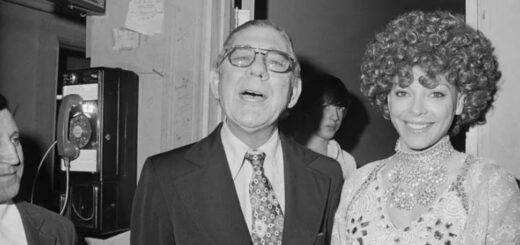
Dominique Strauss-Kahn: From IMF Chief to Sexual Assault Accusations
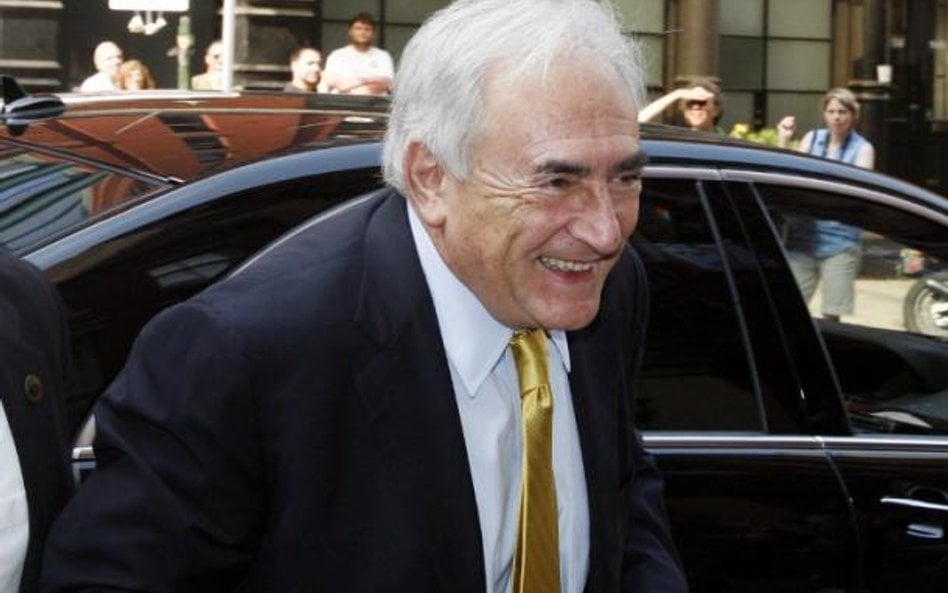
Imagine being at the pinnacle of global finance, only to have it all come crashing down in a sensational scandal. Dominique Strauss-Kahn, often referred to as DSK, was once a towering figure in international economics. As the Managing Director of the International Monetary Fund (IMF), he wielded immense influence over global financial policies.
However, his shining career took a dramatic turn in 2011 when he was accused of sexual assault by a hotel maid in New York City. This incident not only shocked the world but also ignited intense debates about power, privilege and accountability.
Let's take a look into the life of Dominique Strauss-Kahn, the scandal that shook his world and the aftermath that followed.
About Dominique Strauss-Kahn
Born on April 25, 1949, in Neuilly-sur-Seine, France, Dominique Strauss-Kahn spent his early years in Morocco before returning to France. He was a bright student, earning multiple degrees, including a PhD in economics from the University of Paris. His academic pursuits led him to become a professor where he focused on topics like household saving behavior and public finance.
Kahn’s political journey began with the Socialist Party in France, where he quickly rose through the ranks. In 1997, he was appointed as France's finance minister, a role in which he left a significant mark. His expertise and leadership eventually led to his appointment as the Managing Director of the IMF in 2007, placing him at the helm of global economic decision-making.
The Scandal
In May 2011, Dominique Strauss-Kahn's world was turned upside down. Nafissatou Diallo, a maid at the Sofitel New York Hotel, accused him of emerging naked from the bathroom, chasing her and forcing her to perform sexual acts.
The allegations were serious, leading to his arrest and indictment on multiple charges, including sexual abuse and attempted rape. Strauss-Kahn pleaded not guilty, asserting that the encounter was consensual. As the case progressed, questions arose about Diallo's credibility, leading prosecutors to drop the charges due to insufficient evidence. However, the incident had already caused significant damage to Strauss-Kahn's reputation and career.
Bail Hearing
In May 2011, Dominique Strauss-Kahn, then the head of the International Monetary Fund (IMF), was arrested in New York. He was accused of sexually assaulting a 32 year old maid at the Sofitel hotel. The charges were serious: attempted rape, sexual abuse and unlawful imprisonment. At his first court appearance, Strauss-Kahn was denied bail. The judge feared he might flee the country. However, his legal team didn't give up. They proposed strict conditions to ensure he stayed in New York during the trial.
After some negotiation, the court agreed to release Strauss-Kahn on a $1 million bail. But that wasn't all. He also had to post a $5 million insurance bond. To make sure he didn't run, he was placed under house arrest in a Manhattan apartment. He wore an electronic ankle bracelet and was monitored by armed guards around the clock. These measures were to ensure he appeared in court as required.
The bail decision was a big deal. Some people thought the conditions were too strict, while others felt they were necessary given the serious charges. The case attracted a lot of media attention, with many debating the balance between a person's freedom and ensuring justice is served.
In the end, the charges against Strauss-Kahn were dropped. The prosecutors had doubts about the credibility of the accuser. However, the bail hearing remains a significant example of how the justice system handles high-profile cases. It shows the lengths courts can go to ensure a defendant doesn't flee while awaiting trial.
The Aftermath
The fallout from the scandal was swift and severe. Strauss-Kahn resigned from his position at the IMF, acknowledging that the incident had become a distraction for the organization. His political aspirations, including a potential bid for the French presidency, were dashed.
In December 2012, he reached a settlement with Diallo in a civil lawsuit, the terms of which remained confidential. Beyond this case, other allegations of sexual misconduct surfaced, further tarnishing his image. A decade later, in 2020, Netflix released a documentary titled "Room 2806: The Accusation" revisiting the scandal and its implications. Strauss-Kahn's story serves as a stark reminder of how swiftly one's fortunes can change and the enduring impact of personal actions on public life.
The Trial
Dominique Strauss-Kahn, once the big boss at the International Monetary Fund (IMF), faced serious trouble in 2011. He was accused of attacking Nafissatou Diallo, a maid at a New York hotel. The police arrested him quickly, even pulling him off a plane. He was charged with crimes like attempted rape and sexual assault.
Strauss-Kahn said he didn't do it and got a top lawyer to help him. He was let out of jail but had to stay at home with an ankle monitor. Things took a turn when DNA tests showed his DNA on the maid's clothes.
But then, the case hit a snag. The maid's story had some holes and she had lied about other things before. Because of this, the prosecutors didn't think they could win the case. So, they dropped the charges. Later, Strauss-Kahn and the maid settled a civil case for an amount they didn't share with the public.
The Role of Media
The media plays a huge part in shaping how we see things. They decide what's big news and how it's told. This power means they can make someone look good or bad, depending on their coverage.
When big stories break, reporters rush to get the scoop. They dig into people's lives, sometimes sharing personal details. This can make the public feel like they know the whole story, even if they don't.
But with this power comes responsibility. Journalists need to be fair and check their facts. If they mess up, it can hurt people's lives and reputations. So, it's super important for the media to be careful and honest in their reporting.
Public Reactions
When news like this comes out, people have strong feelings. Some folks were shocked and angry, thinking someone in power might have done something so bad. Others wanted to wait and see, believing in the idea that you're innocent until proven guilty.
As more details came out, opinions changed. Some people felt sorry for Strauss-Kahn, thinking he was treated unfairly. Others stood by the maid, believing her story. The whole thing sparked big talks about power, trust and how we treat accusations.
In the end, the public's feelings were mixed. Some were happy with how things turned out, while others felt justice wasn't served. It showed how complicated these situations can be and how differently people can see the same events.
Sexual Assault and Politicians
Power can create a sense of invincibility. Some politicians may believe their status shields them from consequences, leading to reckless behavior. Additionally, political loyalty often leads supporters to overlook or downplay such allegations, especially if the accused aligns with their beliefs. Sexual assault allegations against politicians have been a recurring issue, shaking public trust and highlighting the misuse of power. Let's delve into some notable cases and their implications.
1. Luis Rubiales and the Unwanted Kiss
In August 2023, Luis Rubiales, then president of the Royal Spanish Football Federation (RFEF), sparked outrage after he forcefully kissed player Jenni Hermoso on the lips during the FIFA Women’s World Cup victory celebration. The moment, broadcast worldwide, immediately triggered backlash, with many calling it an act of sexual assault. Hermoso later stated she never consented to the kiss and felt violated.
As criticism mounted, Rubiales refused to step down, calling the backlash a “social assassination”. However, FIFA suspended him and under growing legal pressure, he eventually resigned. Spanish prosecutors filed sexual assault and coercion charges against him, seeking a one-year prison sentence. The case became a global symbol of misconduct in sports, fueling conversations about women’s rights and consent. (People)
Rubiales’ case exposed how power dynamics in sports allow misconduct to thrive. The Spanish government and feminist groups pushed for stricter protections for female athletes, ensuring such incidents don’t go unpunished. The scandal also strengthened Spain’s sexual consent laws, reinforcing that any non-consensual act is a crime.
2. Roy Moore's Controversial Campaign
Roy Moore, a former Alabama Supreme Court Chief Justice, became the center of a political and legal storm in 2017 when several women accused him of sexual misconduct. The allegations dated back to the 1970s, when Moore was in his early 30s and serving as an assistant district attorney. Some of the accusers were as young as 14 at the time.
Despite the accusations, Moore ran for a U.S. Senate seat in 2017. His campaign, initially strong, collapsed as reports surfaced. A Washington Post investigation detailed multiple women’s claims, revealing a disturbing pattern of Moore pursuing teenage girls. One accuser, Leigh Corfman, alleged that Moore undressed her and groped her when she was 14. Moore denied all allegations, calling them politically motivated. (Reuters)
The scandal cost Moore the election, making him the first Republican in 25 years to lose an Alabama Senate race. However, he continued to deny wrongdoing and attempted another Senate run in 2020, which also failed. His case became a defining moment in the #MeToo movement, exposing how some politicians escape consequences despite serious allegations.
3. Tim Jago's Conviction
Tim Jago, a former New Zealand ACT Party president, was convicted in 2024 for sexually abusing two teenage boys in the 1990s. The court found Jago guilty of multiple sexual offenses, sentencing him to two and a half years in prison. The victims, now adults, came forward with detailed testimonies, exposing years of abuse that had gone unreported.
Jago’s conviction marked a significant moment in New Zealand’s political history, showing that past abuses can and should be prosecuted regardless of the time frame. The case also reignited debates on political accountability and safeguarding minors from abuse.
His sentencing sent a clear message that politicians who abuse their power cannot hide forever. The case also underscored the importance of strengthening child protection laws and ensuring victims feel safe coming forward. While Jago’s prison term may seem short, the conviction itself is a major victory in holding powerful figures accountable.
Wrapping Up
The story of Dominique Strauss-Kahn is a wild ride. It started with a powerful man facing serious charges and ended with a lot of debate and mixed feelings. The media played a big role in telling the story and the public had a lot to say about it.
This case makes us think about important issues like power, justice and how we judge others. It reminds us that things aren't always black and white and it's crucial to look at all sides before making up our minds.
Sources:
- https://en.wikipedia.org/wiki/New_York_v._Strauss-Kahn?utm_source=chatgpt.com
- https://www.bbc.com/news/world-19803899
- https://www.france24.com/en/europe/20201204-a-decade-on-strauss-kahn-to-give-his-version-of-new-york-sex-assault-case
- https://abcnews.go.com/International/imf-chief-dominique-strauss-kahn-charged-rape-sexual/story?id=13609991