Bunga-bunga and Corruption: Silvio Berlusconi's Controversial Parties
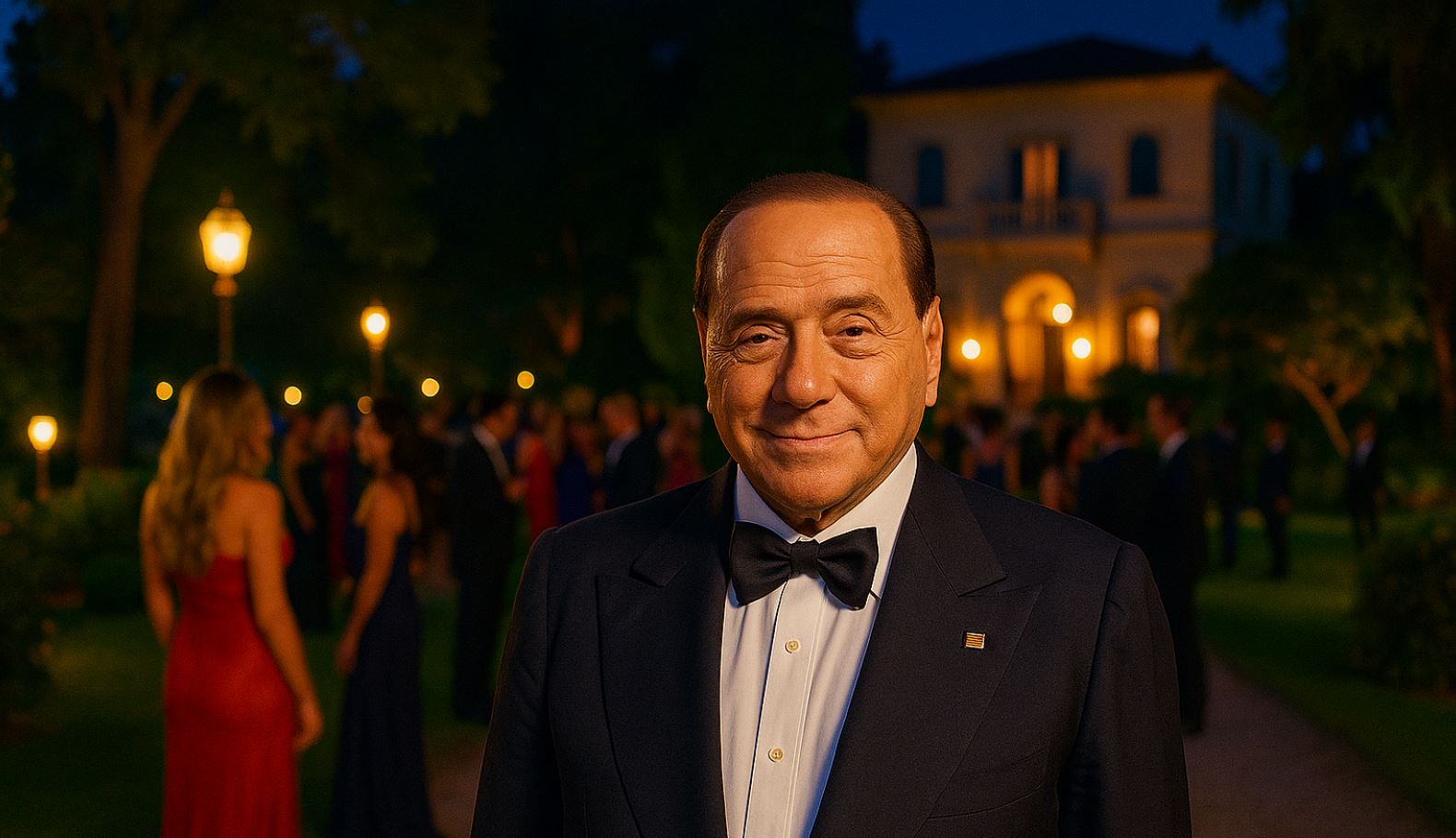
Silvio Berlusconi wasn’t just a billionaire media tycoon. He was Italy’s most controversial Prime Minister. But his political influence wasn’t the only thing that made headlines. His infamous bunga bunga parties were the stuff of legend — lavish, secretive and dripping with scandal. Picture young women in revealing outfits, erotic performances and powerful men indulging in late-night escapades at Berlusconi’s private villa. These parties were a playground for the elite, fueled by sex, money and corruption.
But behind the glamour and whispers of pleasure lurked something darker. Allegations of bribery, underage prostitution and abuse of power turned these private gatherings into one of Italy’s biggest political scandals. Court cases, shocking testimonies and media frenzy followed, yet Berlusconi somehow kept slipping through the cracks.
So what really happened inside those exclusive walls? How did a Prime Minister manage to turn political office into a personal fantasy land? And most importantly, how did he get away with it? Buckle up, because this story is about to take you deep into the world of power, corruption and untamed desire.
Who Is Silvio Berlusconi?
Silvio Berlusconi was one of Italy’s most powerful and controversial figures. Born in 1936 in Milan, he started as a businessman before stepping into politics. He built a media empire through Mediaset, one of Italy’s largest broadcasting companies, which gave him immense influence over public opinion. His wealth also extended into finance, real estate and even football. He owned AC Milan for over 30 years, turning it into one of Europe’s most successful clubs.
Berlusconi’s political career began in the early 1990s when Italy faced corruption scandals that shook its government. He founded Forza Italia, a center-right political party and quickly became a dominant force. In 1994, he was elected Prime Minister, marking the first of his three non-consecutive terms in office. He promised economic growth, lower taxes and stronger leadership, appealing to both businessmen and ordinary Italians. Despite his policies facing criticism, he remained a master of self-promotion and maintained strong voter support.
His leadership style was bold, sometimes theatrical and always strategic. He had a knack for staying relevant, even in the face of numerous legal challenges and opposition. His ability to bounce back from political defeats and scandals made him one of the most resilient figures in modern Italian history. Whether admired or criticized, Berlusconi’s impact on Italy’s media, business and politics remains undeniable.
What Were the 'Bunga Bunga' Parties?
Silvio Berlusconi’s bunga bunga parties were the kind of events that blurred the lines between wealth, pleasure and excess. Hosted at his lavish villa in Arcore, these private gatherings weren’t just about fine dining and expensive wine. They were hedonistic affairs filled with music, sensual performances and young women eager to entertain Italy’s most powerful man.
Reports describe scenes straight out of a wild fantasy—women in revealing outfits dancing seductively, some even dressing up in costumes like nuns or police officers to perform risqué routines. The parties were extravagant, exclusive and completely unrestrained. Guests included politicians, celebrities, businessmen and high-profile figures, all basking in the luxury and secrecy of Berlusconi’s world.
While Berlusconi insisted these were simple “elegant dinners,” those who attended told a different story. The nights often stretched into the early morning, filled with laughter, flirtation and entertainment that went beyond what one might expect at a political leader’s home. Exotic dancers, suggestive games and expensive gifts for female guests made these gatherings more than just social events—they were playgrounds of indulgence.
Despite the whispers and rumors, Berlusconi never seemed to care what the public thought. For him, bunga bunga wasn’t just a phrase—it was a lifestyle, one that defined his nights behind closed doors.
The Scandal Unfolds
In 2010, a 17-year-old Moroccan girl named Karima El Mahroug, also known as "Ruby the Heart Stealer," was arrested for theft. Berlusconi personally called the police, urging them to release her, claiming she was related to Egypt's then-President Hosni Mubarak. This raised eyebrows. Why would a Prime Minister intervene for a teenager?
It turned out Ruby had attended several of Berlusconi's parties. Prosecutors alleged that Berlusconi paid her for sexual services when she was underage, which is illegal in Italy. Both Berlusconi and Ruby denied these claims, insisting they never had a sexual relationship.
Legal Battles Begin
Following the Ruby scandal, Berlusconi’s legal troubles escalated quickly. In 2011, he was formally charged with abuse of power and paying for sex with an underage prostitute. The media frenzy surrounding the case was intense, with every new detail of the "bunga bunga" parties being eagerly dissected. Berlusconi's lawyers fiercely denied all allegations, arguing that the parties were nothing more than harmless gatherings and that the Prime Minister had done nothing illegal.
The abuse of power charge stemmed from Berlusconi's phone call to the police, which prosecutors argued was an attempt to intervene in a criminal matter to protect Ruby from legal consequences. They suggested that his actions were not motivated by any political agenda but by his personal interests in covering up his involvement with her. Berlusconi's defense team, on the other hand, claimed that he believed Ruby was a relative of a foreign leader and therefore acted out of diplomatic concern, not personal gain.
As the legal battle progressed, Berlusconi faced accusations of bribing witnesses to support his claims. Some young women who had attended the parties later testified that they were paid large sums of money and given gifts in exchange for their silence. Prosecutors argued that Berlusconi had created a network of people who would lie to cover up the true nature of his interactions with the women. In 2012, his trial began and the media scrutiny on Berlusconi intensified as more witnesses came forward, claiming they had been part of his bunga bunga parties.
Impact on Berlusconi's Career
The bunga bunga scandal had a lasting impact on Silvio Berlusconi’s political career. As one of Italy’s most prominent figures, he was used to controversy, but the charges surrounding his personal life and the underage prostitution accusations pushed him to the edge.
In 2011, the mounting pressure from the scandal, combined with Italy’s economic crisis, forced Berlusconi to resign as Prime Minister for the third time. Despite his political downfall, he maintained his strong media presence and the support of a loyal base, particularly among conservative voters. However, the legal battles continued and the "bunga bunga" parties were a constant source of ridicule and criticism.
In 2013, Berlusconi was convicted of tax fraud in a separate case, which led to a temporary ban from holding public office. While this conviction wasn’t directly linked to the sex scandals, it further tarnished his reputation. However, Berlusconi was known for his resilience. He used his media empire and personal charm to stay relevant in Italian politics, even after facing legal troubles.
The scandal, though, was a double-edged sword. On one hand, it weakened his political influence, as public opinion turned sharply against him. His opponents used the "bunga bunga" parties as a symbol of his moral and ethical decay. On the other hand, Berlusconi’s tenacity and ability to make comebacks allowed him to remain a powerful figure in Italy’s political landscape. In 2022, he was re-elected to the Senate, marking a major return to political prominence, despite the continued controversy surrounding his personal life.
Ultimately, Berlusconi's career proved that in politics, scandals don’t always end careers, especially when you have the resources and influence to fight back.
Burlusconi’s Aquittal
In February 2023, former Italian Prime Minister Silvio Berlusconi was acquitted in a high-profile trial concerning his notorious "bunga bunga" parties. The case centered on allegations that Berlusconi had bribed witnesses to provide false testimony about these gatherings, which were infamous for their alleged sexual activities and lavish entertainment.
Berlusconi's defense team expressed satisfaction with the verdict, viewing it as a vindication against what they described as a politically motivated prosecution. Prime Minister Giorgia Meloni also welcomed the decision, stating that it "puts an end to a long legal case that also had important repercussions on Italian political and institutional life."
However, the acquittal did not mark the end of legal challenges for Berlusconi. In October 2024, Italy's Supreme Court overturned the acquittals of 23 individuals accused of accepting bribes from Berlusconi to provide false testimony in the underage prostitution case. This ruling revived the "bunga bunga" scandal, indicating that legal proceedings related to the case were ongoing.
Public Reaction
The public reaction to Silvio Berlusconi’s "bunga bunga" parties was deeply divided. For some, his charismatic personality and business success in transforming Italy’s media landscape were enough to overlook his controversial behavior. Supporters praised his ability to maintain a strong political presence, even through scandals. They saw him as a figure who revitalized Italy’s economy and pushed through reforms. To these individuals, the “bunga bunga” parties and legal issues were just distractions, blown out of proportion by the media.
On the other hand, many Italians were outraged by the revelations. The idea that their Prime Minister could be involved in such scandalous, immoral behavior left a bad taste in the mouths of many. The underage prostitution allegations struck a particularly hard chord with the public, leading to widespread protests and growing distrust toward Berlusconi. Critics accused him of using his power to exploit vulnerable women, tarnishing Italy’s image on the international stage.
Furthermore, the way Berlusconi managed his scandals only added fuel to the fire. His dismissal of the allegations as mere “political attacks” and his constant deflection of responsibility angered many. For those already skeptical of his leadership, the "bunga bunga" saga reinforced their belief that Berlusconi’s time in power was marked by corruption, self-interest and a lack of moral integrity.
Despite the controversies, Berlusconi retained a loyal base of supporters who continued to rally behind him. His charismatic, larger-than-life persona allowed him to survive political storms that would have sunk most leaders. Yet, for many others, the scandal was a turning point, leading to calls for political reform and greater accountability. The public's reaction ultimately highlighted the stark divide in Italian society during Berlusconi’s tenure.
Legacy
Silvio Berlusconi’s legacy is a deeply divisive one, marked by both political achievements and personal controversies. On the one hand, he played a central role in shaping modern Italian politics, serving as Prime Minister three times and building a media empire that gave him significant influence over the country’s political landscape. His business ventures transformed the Italian media sector and his policies, particularly during the 1990s and early 2000s, helped stabilize Italy’s economy at certain points.
However, Berlusconi’s time in office was consistently overshadowed by scandals. His infamous "bunga bunga" parties and the subsequent legal battles, including accusations of tax fraud, bribery and abuse of power, made him a figure of both fascination and outrage. The “bunga bunga” scandal, in particular, highlighted his blurring of lines between personal indulgence and political power, making him a symbol of corruption in Italian politics. Despite multiple trials and convictions, Berlusconi managed to avoid long-term political fallout, thanks to his strong legal team and unwavering support from his political base.
Even after his legal troubles, Berlusconi remained a key player in Italian politics. His Forza Italia party continued to have influence and in 2022, he was re-elected to the Senate, demonstrating his enduring popularity with a segment of the population. His resilience was both admired and criticized, with many questioning whether his ability to bounce back from scandals undermined Italy's democratic integrity.
Berlusconi passed away in 2023, but the controversies surrounding his life continue to define his public image. His legacy is a complex one, intertwining significant contributions to Italy’s political landscape with a trail of scandals that reflect the intersection of wealth, power and corruption.
Conclusion
Silvio Berlusconi's "bunga bunga" parties were more than just tabloid fodder. They sparked serious discussions about ethics in politics and the responsibilities of public figures. While Berlusconi managed to navigate through numerous scandals, the stories of these lavish and controversial parties continue to be a significant part of his legacy.
Sources: